

Sheer vs Blackout Curtains: Which Lining Suits Each Room?
Curtain shopping gets simpler once you stop asking which curtain is “best” and start asking what the room needs at 7 a.m., at 9 p.m., and on the brightest afternoon of July. Sheer and blackout linings solve different problems. Sheer fabric filters light and keeps a room feeling open; blackout fabric shuts light down and creates a firm boundary between inside and out. Neither is automatically the smarter choice. The right answer depends on how you use the room, what is outside the window, and how much softness or structure you want on the wall.
Light control: the first decision
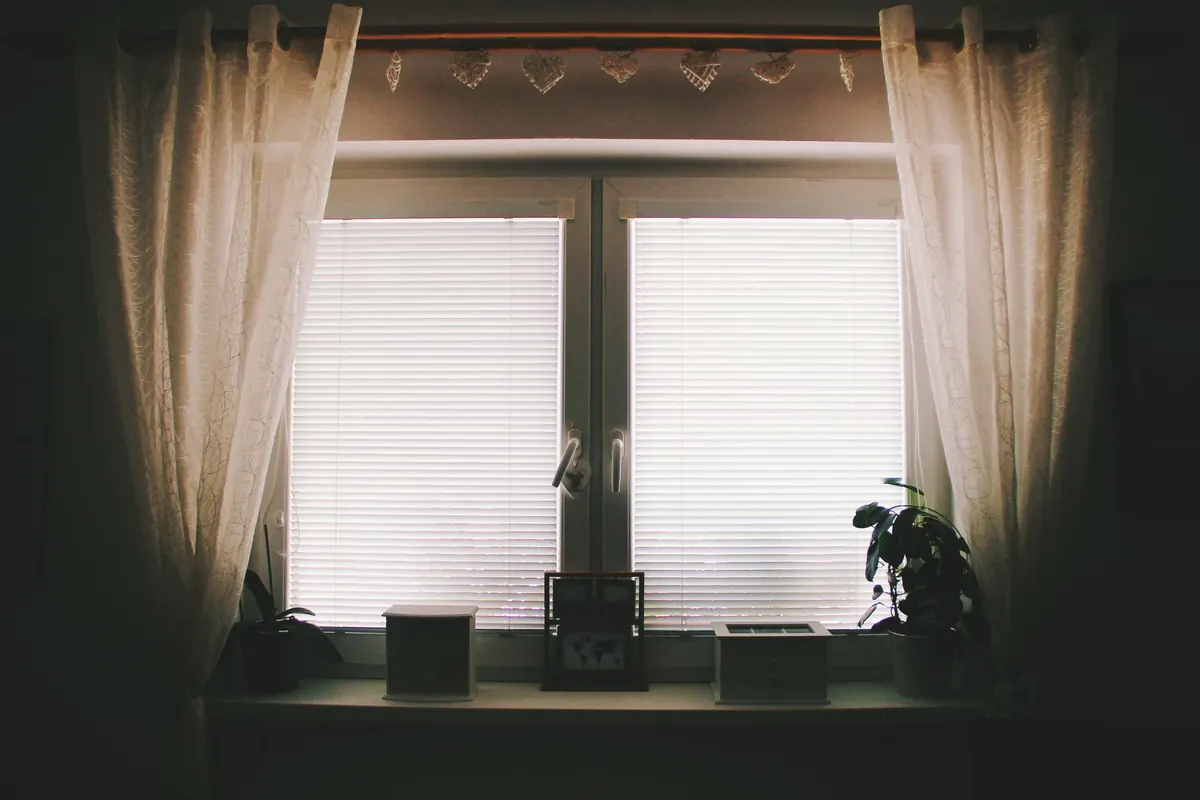
Sheer curtains are made to soften daylight, not erase it. They take the hard edge off a south-facing window, reduce glare on a sofa or dining table, and let you see the shape of trees or rooftops while obscuring details. In a living room, that filtered light is often the whole point. In a bedroom, it can be pleasant in the evening and less welcome at sunrise.
Blackout curtains and blackout linings work in the opposite direction. They are dense enough to block most light when closed properly. The phrase “properly” matters: even a good blackout fabric will leak light around the edges if the curtain is too narrow, if the rod sits far from the wall, or if two panels meet with a gap. A blackout curtain that covers the window but not the frame will still wake a light-sensitive sleeper.
Where each works best
- Sheer: living rooms with a view, dining areas used mostly in the evening, sunny kitchens where you want daylight without glare, and rooms where privacy is needed mainly during the day.
- Blackout: bedrooms, guest rooms, media rooms, nurseries, and any space where you need to control screen glare or create darkness at odd hours.
- Layered: rooms that need both — a sheer for daytime softness and a blackout panel for night-time privacy or sleep.
Privacy, daylight and the night-time test
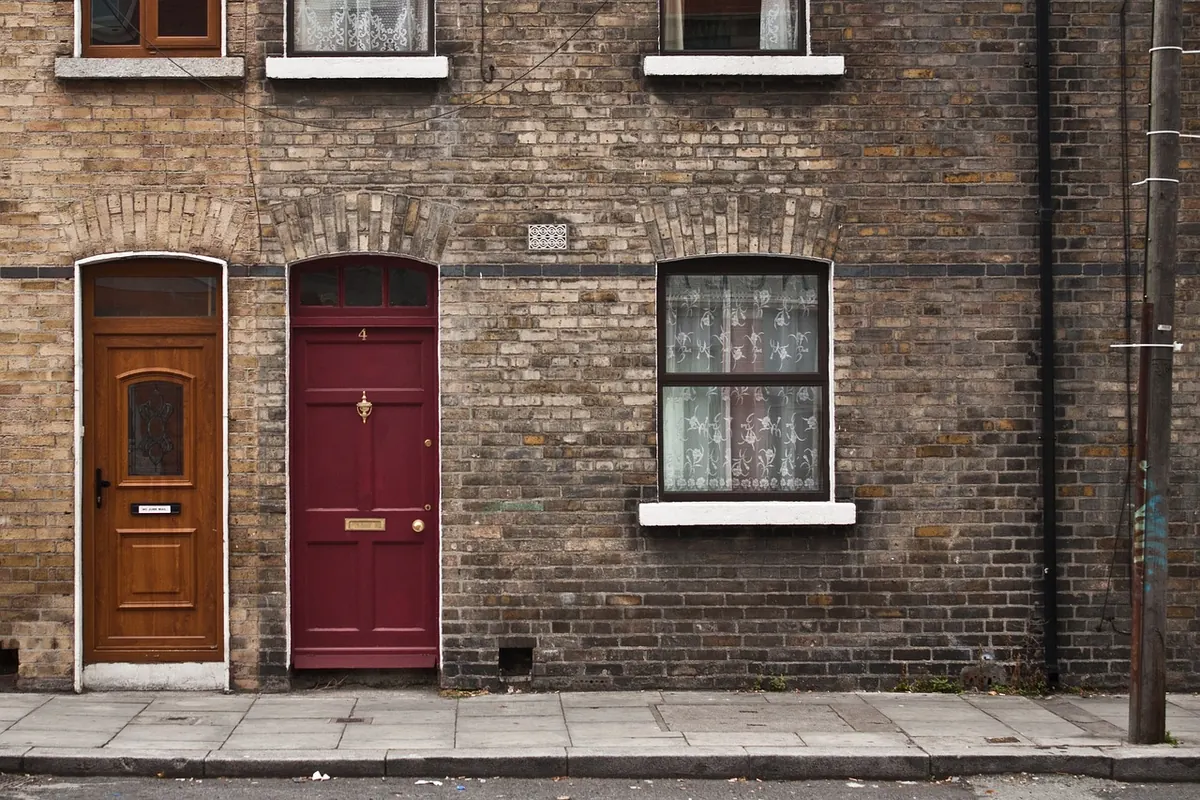
Privacy is where sheer curtains get misunderstood. A sheer panel gives useful daytime privacy because it breaks up the view from the street. At night, the effect reverses: if the room is lit and the street is dark, a sheer curtain can show silhouettes and movement. That is fine in a room facing a garden; it is less fine on a ground-floor street front. Blackout curtains, by contrast, give solid privacy when closed, but they also cut you off from daylight and the view.
Before you choose, do a simple night-time test. Stand outside the window at dusk with the room lights on. Ask what a neighbour or passer-by would see. If the answer makes you uncomfortable, plan for a blackout lining, a heavier sheer, or a layered setup. Also check the sides: privacy is not only about the fabric in the middle of the window. Light and sightlines creep in at the edges.
Insulation, comfort and noise
Sheer curtains are not really insulation. They can take the glare off a hot window and make a room feel softer, but they will not stop a draught or hold much warmth. Blackout curtains are denser and, when hung close to the window with good overlap, can help reduce draughts and solar heat gain. They can also muffle some sound, though no curtain should be treated as soundproofing.
For comfort, think about how the curtain hangs. A blackout panel that stops just below the sill leaves a gap for air movement; a floor-length panel with a return to the wall creates a more sealed layer. If you live in an older house with draughty windows, a blackout lining plus a well-fitted track will do more than a decorative sheer. If you mainly want softness and filtered light, a sheer is the lighter, less bulky choice. Thermal linings are a separate option worth asking about if insulation is your main goal.
Style: softness versus structure
Sheer curtains bring air and softness. They suit rooms where the window is a feature, where the walls are light, or where furniture is low and relaxed. A sheer linen or voile panel can make a small room feel less boxed in because it lets light travel through. Blackout curtains bring structure. They can make a bedroom feel more hotel-like, frame a window boldly, or turn a living room into a proper evening room. The mistake is assuming blackout means dark or heavy-looking. A blackout lining can sit behind a pale linen face fabric, so the room stays light while the window does its job.
Consider the wall as well as the window. Full-height curtains in a dense blackout fabric add visual weight; in a small room, that can feel cosy or crowded depending on the colour and how much wall they cover. Sheer panels are more forgiving in tight spaces, but they offer less shape. If you want both, layering is the practical answer: a sheer on a slim track close to the glass, blackout panels on a wider rod in front.
Room by room: where each lining earns its place
Bedrooms
For most bedrooms, blackout is the more reliable choice. It gives you control over morning light and evening privacy, and it makes the room feel contained. If you like waking with the sun, a sheer curtain can work, but pair it with a blackout blind or a second panel if you want the option of darkness. Hang blackout curtains wide enough to cover the window frame and let the panels overlap in the middle. Light escaping at the top and sides is the usual reason people feel their blackout curtains “don’t work”.
Living rooms
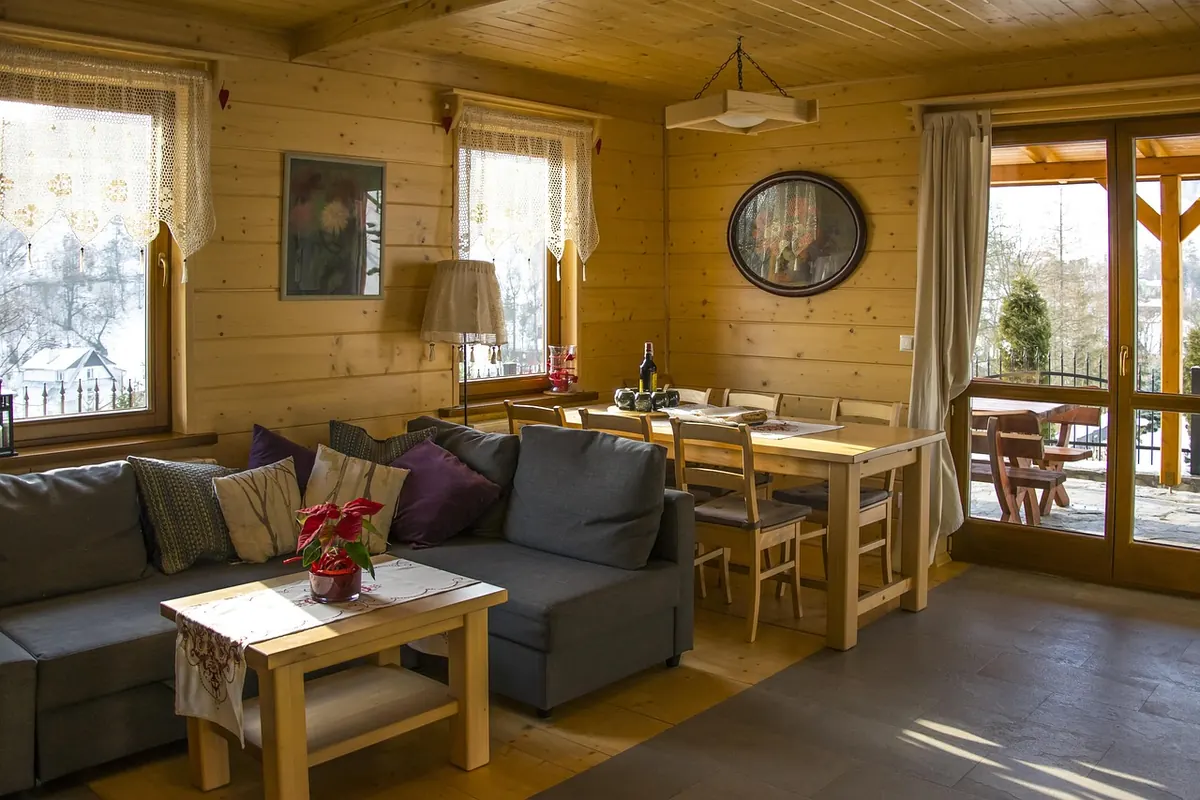
Living rooms usually benefit from flexibility. A sheer curtain keeps the room bright and connected to the view during the day; a blackout panel handles TV glare, winter evenings, and privacy once the lamps are on. If the room faces a street or a close neighbour, layering is worth the extra track. If the view is the reason you bought the place, start with sheer and add blackout only where the sun or streetlights cause a real problem.
Offices and workspaces
In a home office, the enemy is often glare on a screen rather than total darkness. A sheer curtain can diffuse harsh daylight while keeping the room bright enough to work. For a meeting room or a workspace used for presentations, blackout gives you proper light control. A layered setup is the most useful compromise: sheer for daily work, blackout for afternoon sun or video calls. Keep the blackout panels wide and consider a track that curves back to the wall to reduce side light.
A practical closing: choose by priority, then seal the edges
Start with the job the curtain has to do. If darkness and privacy are non-negotiable, choose blackout. If daylight, view and softness matter more, choose sheer. If you need both at different hours, layer them. Then spend a few minutes on the details that decide whether the curtain actually performs.
- Measure the window frame, not just the glass, so the curtain can overlap the edges.
- Decide whether you want the curtain to sit inside the recess or run wall-to-wall.
- For blackout, add overlap in the middle and a return to the wall at each side.
- Check the top: a pelmet, ceiling track or deep rod pocket reduces light leaks.
- For sheer, confirm the night-time privacy level from outside before you commit.
Sheer and blackout are not rivals so much as two tools. Use sheer where you want the room to breathe. Use blackout where you want the room to switch off. And when a room needs both, let the layers do the work.
Photo: StockSnap / Pixabay