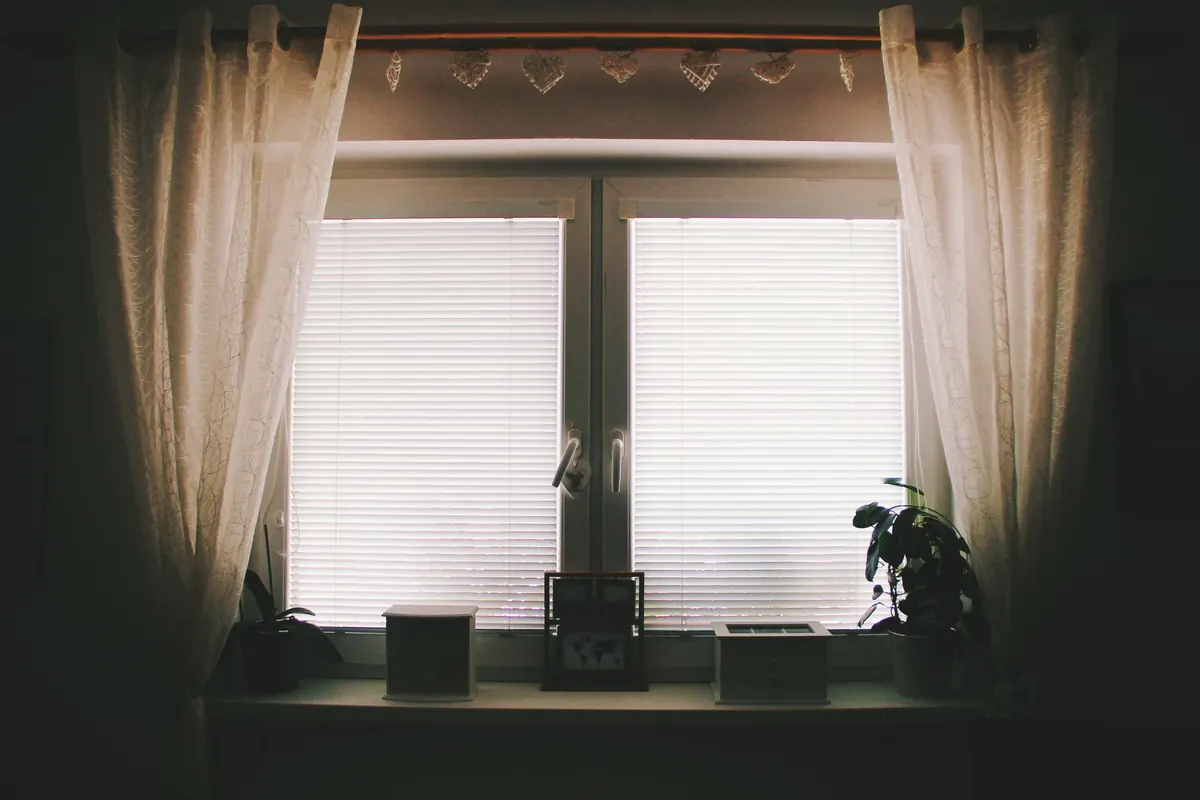



Curtain Track vs Rod: Pros, Cons, and Installation Differences
Curtain Track vs Rod: Pros, Cons, and Installation Differences
Curtain hardware feels like a minor decision until the curtains are up and the first metre of fabric sticks, sags, or scrapes along the wall. A track and a rod can hold the same pair of curtains, but they behave very differently: how they mount, how the fabric folds, how much of the window you actually cover. What follows is a practical comparison for real rooms — the ones with a radiator under the sill, a few centimetres of wall above the frame, and a ceiling that was never quite level.
Two Ways to Hang the Same Curtain
A rod is a pole fixed to the wall on two or more brackets, with rings sliding along it or eyelets punched through the heading. It is meant to be seen: the material, diameter and finials are part of the decoration. A slim metal rod in a bay window can look almost architectural; a chunky wooden pole in a cottage does the opposite and makes the opening feel grounded. Because the rod sits proud of the wall, it also throws a shadow line and creates a little extra visual depth above the window.
A track is a channel — usually aluminium, sometimes plastic — screwed to the wall or ceiling, with small gliders running inside and hooks carrying the curtain. It is meant to disappear behind a pelmet, into a ceiling recess, or behind the top of a gathered heading. The best tracks are boring in the right way: you notice the curtains, not the hardware.
The mechanical difference matters. On a rod, the curtain's weight hangs from rings gripping a pole; pull hard and the pole can flex, the rings drag at a bracket, and the curtain swings out rather than gliding. On a track, the load sits in a channel supported along its length, so heavy interlined curtains draw smoothly and stay where you put them. If you have ever yanked a stubborn curtain at seven in the morning, you know which system belongs in a bedroom. The same applies to a tall living-room window where you want to close the curtains from one side without walking the whole width of the room — a corded track can do that neatly, while a rod usually asks you to reach along the pole.
Mounting: Ceiling, Wall, and the Space Above the Frame
Rods are almost always fixed to the wall, above the window or to the frame itself. That makes them easy to retrofit, but it also means they need a flat, sound surface at the right height. With only a few centimetres of wall above the frame, a bracket may not fit; push the rod lower and the curtains start covering glass instead of stacking beside it. In a room with a deep radiator shelf or a tiled reveal, a rod can also end up sitting so far forward that the curtains brush the sill every time they are drawn.
Tracks are more flexible. A ceiling-mounted track lets the curtain hang from the ceiling line, which hides an uneven window head, makes a low room read taller, and works neatly with a recessed ceiling or a built-in curtain box. A wall-mounted track is the closer cousin to a rod — same position, much slimmer profile — and is often the best compromise when you want a smooth draw without dropping the curtain height. If the ceiling is uneven but the wall above the window is sound, a wall-mounted track can be the practical answer; if the wall is cramped but the ceiling is accessible, a ceiling track wins.
The fixing matters more than the hardware
Curtains are heavier than they look, and they get pulled sideways every day. Wall plugs in masonry are straightforward. Plasterboard needs proper hollow-wall anchors, or better, a timber batten screwed into the joists or studs with the track fixed to that. On an older lath-and-plaster ceiling, a batten is often the difference between a track that lasts and one that sags in the middle by spring. Fix into structure, and space brackets closer together for heavy fabric than for sheers. A 3 m span carrying thick velvet needs more support than a 1.2 m bedroom window with a lightweight linen curtain, and a rod with only two brackets across a wide opening will always feel springy no matter how good the pole is.
Curtain Headings That Work With Each
The heading — the way the fabric is gathered at the top — usually decides the hardware before you have thought about style at all.
- Pinch pleat and pencil pleat work on both. Hooks slot into gliders on a track or clip onto rings on a rod. A track tends to give a tidier stack at the side and a more consistent pleat, especially with a corded track that draws both edges at once.
- Eyelet headings are rod-only in practice. The metal rings need a pole to run on, and the spacing is fixed by the eyelet positions, so you cannot fine-tune the stack the way you can with hooks and gliders.
- Tab top and rod-pocket headings also belong on rods. They look casual and relaxed, but they need a decent gap above the window and a pole that can carry the fabric without bowing. On a track, these headings usually look bulky and lose the clean line the track is meant to provide.
- Wave and ripple-fold headings are track territory. They rely on evenly spaced hooks and a slim channel to create a soft, regular wave. Put them on a rod and the folds can collapse or bunch unevenly unless the rings are spaced with real care.
- Pelmets, valances and ceiling-fixed headings almost always call for a track, because the whole point is to conceal the working parts and let the fabric fall in a controlled line.
Draw cords are another quiet advantage. A corded track lets you open and close a wide curtain from one side, which is useful behind a sofa, over a patio door, or in a bedroom where you do not want to lean across a bedside table. Rods can be fitted with batons or pull wands, but the action is rarely as smooth.
Pros and Cons in Real Rooms
Rods: decorative, simple, but less forgiving
- Pros: easy to source in many finishes and diameters; visible hardware can suit period or rustic rooms; simple to install on a sound wall; rings and eyelets are easy to replace.
- Cons: brackets need space above the window; wide or heavy curtains can make the pole flex; rings can catch at brackets; the curtain often swings out rather than gliding; less suitable for tight ceiling recesses.
Tracks: smooth, discreet, but more planning
- Pros: excellent for heavy curtains; smooth drawing action; can be ceiling-mounted to solve awkward window heads; easy to conceal behind a pelmet; corded versions suit wide openings.
- Cons: less decorative on its own; needs careful fixing into structure; cheaper plastic tracks can yellow or become brittle; gliders and hooks must match the track system.
Cost, Aesthetics, and Longevity
At the low end, a basic rod and brackets can cost less than a comparable length of track, especially if you choose a simple metal pole. But the comparison shifts once you need a wide span, heavy fabric or a corded draw. A flimsy track is a false economy; so is an undersized rod that bows under lined curtains. Buy for the weight of the curtain, not just the width of the window.
Aesthetically, the choice is not simply “pretty rod” versus “ugly track.” A wall-mounted track with a neat pencil-pleat heading can look tailored and calm, while a rod with large finials can overwhelm a small window. The room usually tells you which way to go: a traditional bay with high ceilings often welcomes a rod, while a modern flat with a wide glazed wall usually looks better with a track hidden at the ceiling line.
If the curtain is heavy, the opening is wide, or the ceiling line is the cleanest place to hang from, a track is usually the more practical choice. If the hardware is meant to be part of the room and the wall above the window is generous, a rod is hard to beat.
Installation Differences, Step by Step
The two systems ask for different preparation, which is why it helps to decide before the curtains are made.
- Plan the stack: measure how much wall or ceiling space the curtains need when open. Rods need extra room for rings and finials; tracks need space for the return of the curtain to the wall.
- Find the structure: locate studs, joists or masonry fixing points. This step matters more than the choice of finial or glider.
- Set the height: a rod usually sits above the window head, while a ceiling track follows the ceiling line. Check that the curtain will clear radiators, sills and furniture.
- Fix the supports: rods need brackets spaced along the pole; tracks need fixings along the channel. Add extra support at the middle of wide spans.
- Check the draw: before hanging the curtains, test that rings or gliders run freely and that cords, if used, pull without snagging.
Which Should You Choose?
Choose a rod when the hardware is part of the design, the wall above the window is deep enough for brackets, and the curtains are light to medium weight. Choose a track when you want a smooth draw, a discreet finish, a ceiling-mounted solution, or reliable support for heavy fabric. In many rooms the best answer is a hybrid: a wall-mounted track where the window head is tight, or a ceiling track concealed behind a pelmet where the ceiling is the only sensible fixing point.
The honest test is to imagine the curtain in daily use, not just on the day it is installed. Does it need to glide with one hand? Will it be pulled every morning? Is the window wide, the fabric heavy, the wall shallow? Answer those questions and the choice between track and rod becomes much less about fashion and much more about how the room actually works.
Photo: jc Qi / Pexels